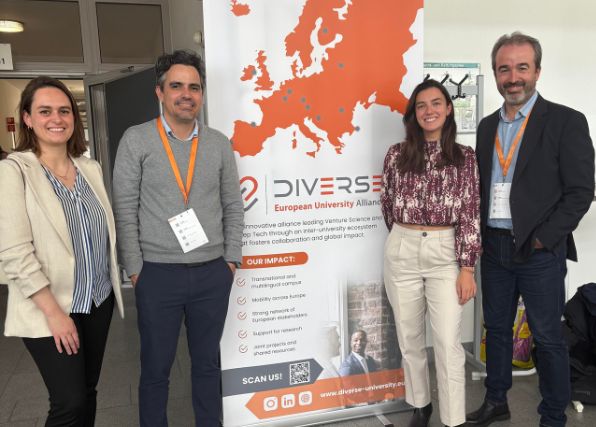
The Universidad Europea del Atlántico (European University of the Atlantic, UNEATLANTICO) participated from 11 to 13 May in the meeting of the European University Alliance DIVERSE held at the Technische Hochschule Rosenheim (Germany), a meeting that brought together about 60 representatives of the twelve partner universities to advance academic cooperation, research and international mobility initiatives.
The meeting was an important step in advancing the alliance’s common goals in areas such as developing joint academic programs, research cooperation, student and staff mobility, and strengthening the DIVERSE community.
It also made it possible to take stock of the progress achieved so far, including the creation of three international master’s programs, six micro-credential programs, and numerous short-term exchange formats (BIPs) and more than 30 joint research projects developed within the network.
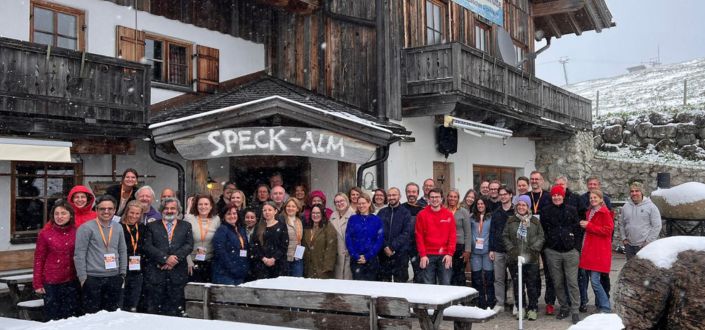
In addition to the working sessions, the program placed a special emphasis on community building and informal exchange among participants. During their stay, attendees were able to get to know the Rosenheim campus, participate in collaborative activities in the Bavarian Alps and get closer to local traditions, reflecting the hospitality of the host institution.
One of the highlights of the meeting was the participation, for the first time, of members of DIVERSE’s Student Council in the Executive Board meeting, thus reinforcing the alliance’s commitment to greater involvement of the student body in its governance and future development of the project.
The event concluded with an International Night held on campus, where students and staff from different countries shared music, gastronomy and cultural activities, highlighting the diversity and European spirit that define the alliance.
The active participation of UNEATLANTICO in the alliance represents a great opportunity for students, who can access mobility programs, international projects, shared academic experiences and new educational initiatives in a European and intercultural environment. In addition, the work developed within the framework of DIVERSE contributes to the strengthening of higher education more connected, inclusive and oriented towards global challenges.